Renting your first apartment marks a significant milestone, yet it often comes with a steep learning curve. From understanding financial commitments to navigating lease agreements, the process involves many moving parts that can be overwhelming for a first-time renter. While each rental journey is unique, there are common steps that can help streamline the experience. This guide outlines five essential stages to consider when embarking on your first apartment hunt, providing a structured approach to minimize potential pitfalls.
Approaching the rental process methodically can make a difference between a smooth transition and a stressful ordeal. The steps below are designed to help you build a solid foundation, ensuring you are well-prepared to evaluate options and make informed decisions. By focusing on preparation, research, and careful review, you can approach each phase with clarity and confidence. Remember that every rental market has its own nuances, so the information here should be adapted to your local context and personal circumstances.
1. Establishing a Realistic Budget
Before you start browsing listings, it’s important to have a clear picture of what you can afford. A common guideline is to allocate no more than 30% of your gross monthly income toward rent. However, this percentage can vary depending on your overall financial situation, including existing debts, utility costs, and other living expenses. To create a realistic budget, start by calculating your monthly net income and listing all fixed expenses, such as transportation, groceries, and student loans. Subtracting these from your income will give you a sense of how much room you have for housing.
In addition to rent, you should account for upfront costs like security deposits, application fees, and potential moving expenses. Many landlords require the first month’s rent and a security deposit before you move in, so having savings set aside for these is crucial. It’s also wise to consider the cost of renters insurance, which is often mandatory but can be purchased at a reasonable premium. By preparing a comprehensive budget that includes these factors, you can avoid financial strain later. Furthermore, remember that your budget may need to be flexible if you find a property that meets most of your criteria but requires a slight adjustment in your spending elsewhere.
2. Researching Neighborhoods and Properties
Once your budget is defined, the next step is to explore different areas and property types that align with your lifestyle and needs. Neighborhood selection is more than just a matter of convenience; it impacts your daily routine, safety, and overall satisfaction. Consider factors such as proximity to work or school, access to public transportation, availability of parking, and nearby amenities like grocery stores, parks, and healthcare facilities. Online resources and local forums can provide insights into the character of various neighborhoods, but visiting them in person at different times of day can give you a more accurate sense of the environment.
While researching properties, pay attention to the condition of the building and the landlord’s reputation. Reviews from previous tenants can be illuminating, but they should be weighed against other evidence. When you schedule viewings, come prepared with a list of questions about maintenance policies, noise levels, and any planned renovations. Take notes and photographs to help you remember details, as it’s easy to mix up units after visiting several. Additionally, verify that the property complies with local housing codes and that any advertised amenities are actually available. A thorough investigation reduces the likelihood of unpleasant surprises after signing a lease.
3. Gathering Required Documentation
Rental applications typically require a range of documentation to verify your identity, income, and rental history. Having these items prepared in advance can expedite the process and demonstrate your reliability. Commonly requested documents include a government-issued photo ID, proof of income such as pay stubs or bank statements, and references from previous landlords or personal contacts. Some landlords may also request a credit report, for which you can obtain a copy from authorized agencies. If you have limited credit history, you might need to provide additional evidence of financial stability, such as a co-signer or a larger security deposit.
Preparing your documents ahead of time not only saves you from scrambling at the last minute but also allows you to review them for accuracy. Ensure that your name and contact information are consistent across all paperwork to avoid delays. It’s also advisable to have digital copies on your phone or cloud storage for easy sharing, while keeping physical copies in a folder for in-person applications. Remember that landlords are legally required to keep your personal information confidential, so you should only provide documents to reputable property managers. By having a complete file of your credentials, you present yourself as a serious and organized candidate.
4. Understanding the Lease Agreement
A lease is a legally binding contract that outlines the rights and responsibilities of both you and the landlord. Reading it thoroughly before signing is paramount, as it governs your tenancy for the duration of the agreement. Focus on key clauses such as the rental amount, due date, late fees, and policies on rent increases. Also examine the security deposit terms, including what deductions can be made and the timeline for its return. If there are any ambiguities or verbal promises from the landlord, ask for written clarification or amendments to the lease before you sign.
It’s equally important to understand the rules regarding maintenance and repairs. Determine who is responsible for utilities, landscaping, and common area upkeep. The lease should also specify the notice period required for move-out and any penalties for breaking the lease early. Be aware of any clauses that restrict your rights, such as mandatory arbitration or limits on guests. If you are uncertain about any term, consider consulting with a tenant rights organization or an attorney, especially if the lease seems one-sided. A well-informed tenant is better equipped to avoid disputes and protect their interests throughout the tenancy.
5. Conducting a Pre-Move-In Inspection
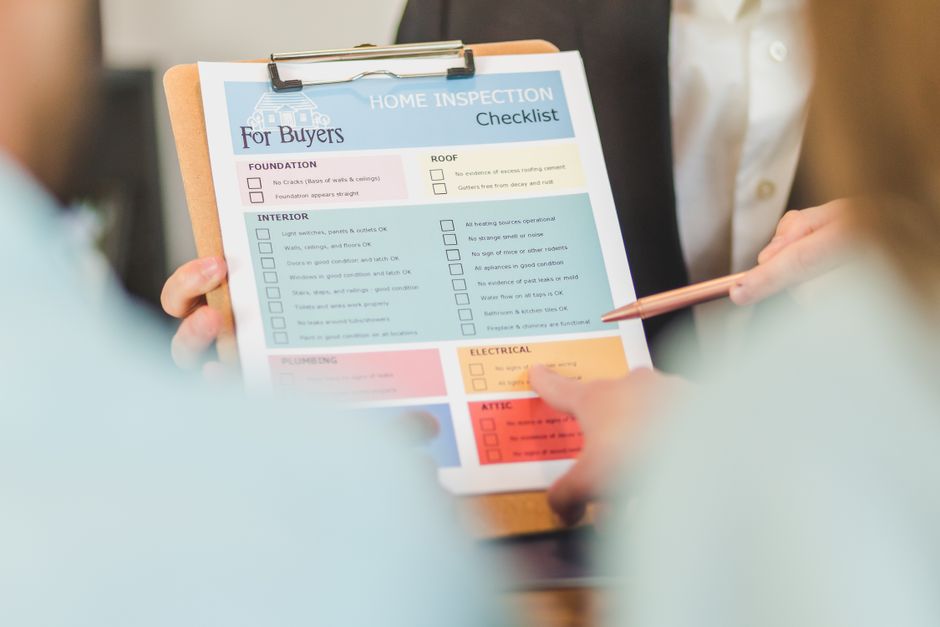
Before you move in, take the time to conduct a thorough inspection of the apartment. This step is crucial for documenting the existing condition of the property, which can be used as evidence to prevent unfair security deposit deductions. Walk through every room and check for issues such as water damage, cracks, faulty appliances, or peeling paint. Test all lights, faucets, and outlets to ensure they are in working order. If you notice any problems, report them to the landlord in writing and request that they be addressed before you move in or documented as pre-existing.
Make sure to photograph and video record every area, including closets and cabinets, to create a visual record of the apartment’s state. Some landlords provide a move-in checklist that you can annotate and sign. If not, create your own inventory and asked both parties to sign it to acknowledge the findings. Keeping this documentation in a safe place will be valuable when you move out, as it can serve as a reference for any disputes. By being vigilant about the condition at move-in, you set the stage for a smoother move-out process and avoid potential charges for damages you did not cause.
Renting your first apartment is a process of continuous preparation and evaluation. Each step, from budgeting to the final inspection, contributes to an informed and deliberate decision. By following these essential stages, first-time renters can approach the experience with a sense of structure and awareness, reducing the likelihood of common mistakes.
The journey to your first rental does not end with the signing of the lease. Even after you receive the keys, you may need to manage utilities, set up services, and become familiar with your new community. Staying organized and communicative with your landlord and neighbors can foster a positive renting experience. Remember that the rental market is dynamic, and your needs may evolve over time. Keeping the fundamentals in mind will serve you well as you establish a home that meets your current expectations and adapts to your future ones.